
Fire Pit Safety: Choosing the Right Materials for Your Backyard
What materials should be used to build a safe fire pit?
For fire pit safety, we recommend using a fire-rated inner liner made from firebrick, refractory block, or a manufacturer-approved metal insert. Surround the fire chamber with stable, noncombustible hardscape materials. Natural stone, compacted aggregate, gravel, and flagstone can create an attractive exterior surround when installed correctly and kept away from direct flame unless rated for high heat.
Why Does Fire Pit Safety Begin with the Location?
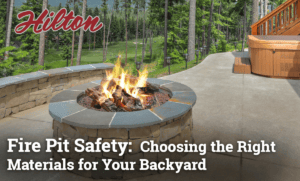 The safest fire pit is one built in a carefully selected location. Before construction begins, look overhead, around the site, and beneath the proposed structure.
A fire pit should not sit under tree limbs, awnings, roof overhangs, utility lines, or other combustible features. Keep it away from buildings, fences, wood piles, dry grass, shrubs, and areas where wind can carry sparks into nearby vegetation. Always follow current local fire restrictions, property setback rules, and manufacturer instructions.
Southern Oregon properties vary considerably. A protected city backyard may have different conditions than an exposed rural property near dry grassland. For fire pit safety, our team recommends watching prevailing wind patterns before choosing a permanent location. Smoke and embers should move away from homes, neighbors, trees, and outdoor living structures.
How Should the Base of a Fire Pit Be Constructed?
A durable fire pit needs a firm, level, noncombustible foundation. Placing stone directly over loose soil may lead to settling, shifting, or an uneven structure. Clay soils found throughout parts of the Rogue Valley can also expand and contract as moisture levels change.
In our experience, careful base preparation is one of the most important parts of a lasting hardscape project. A typical installation may include these steps:
- Remove combustible material. Clear grass, roots, mulch, and organic matter from the construction area.
- Excavate to the appropriate depth. The depth will depend on the fire pit design, soil conditions, and selected materials.
- Install compactable aggregate. A properly compacted rock base helps reduce movement and creates a level foundation.
- Check drainage. Water should not collect beneath or inside the fire pit.
- Build the fire chamber correctly. Use fire-rated components and follow the insert or firebrick manufacturer’s installation specifications.
Do not build a wood-burning fire pit directly on a wood deck, artificial turf, bark mulch, or another combustible surface. Even when the flames appear contained, radiant heat and escaping embers can create hazards outside the main fire chamber.
Can Natural Stone Be Used Around a Fire Pit?
Natural stone can be an excellent material for the exterior surround, patio, seating area, and decorative portions of a fire pit. It offers lasting character and blends naturally with Southern Oregon landscapes. However, not every stone is appropriate for direct contact with intense heat.
Some natural stones contain moisture or have characteristics that make them vulnerable to cracking, flaking, or breaking during repeated heating and cooling. River rock and other potentially moisture-bearing stones should not be placed in the active fire chamber unless specifically approved for that use.
For safer construction, create the inner chamber with firebrick, refractory materials, or a rated metal insert. Natural stone can then be installed outside that protected layer as part of the visible structure. A qualified mason or landscape contractor can help determine whether a particular stone and construction method are appropriate.
Which Hilton Landscape Supply Materials Can Complete the Project?
Hilton Landscape Supply carries a broad selection of natural stone, flagstone, wall rock, boulders, cobble, decorative rock, sand, slabs, and aggregates. Available options include Oregon Rustic wall rock, Oklahoma Blue and Oklahoma Brown stone, Sunset flagstone varieties, granite aggregate, decomposed granite, drain rock, and decorative gravel. Because natural materials vary in shape, texture, and color, visiting the yard is the best way to compare options for your fire pit surround.
Depending on your design, these materials may be used to create:
- A broad noncombustible zone around the fire pit
- A compacted aggregate foundation
- A flagstone patio or walkway
- A natural stone exterior around a rated fire chamber
- Decorative gravel between the fire pit and the surrounding landscaping
- Stone seating areas or accent boulders placed at a safe distance
Our team recommends selecting the fire-rated interior system first. You can then choose natural stone that complements your home, patio, and surrounding landscape without asking the decorative material to perform a job for which it was not designed.
How Can You Use a Fire Pit More Safely?
Safe construction is only the beginning. Every fire should be supervised by a responsible adult. Keep children and pets outside the immediate fire area, and never use gasoline or another highly flammable liquid to start or strengthen a fire.
Keep an appropriate extinguishing method nearby, such as a garden hose, fire extinguisher, or water source. Burn only clean, appropriate firewood, and avoid building a fire larger than the pit was designed to contain. A spark screen can help reduce escaping embers when it is compatible with the fire pit.
Before leaving, extinguish the fire completely. Stir the ashes carefully, apply water as appropriate, and confirm that no heat or glowing embers remain. Pay close attention to seasonal burn restrictions and red flag conditions. A fire pit should remain unused whenever local authorities prohibit recreational fires or weather conditions make burning unsafe.
Build the Fire Pit Area Right the First Time
A well-designed fire pit can become one of the most frequently used features in your yard. The key is to treat it as a construction project, not simply a ring of rocks placed on the ground.
Visit Hilton Landscape Supply at 8087 Blackwell Road to explore natural stone, flagstone, decorative rock, aggregates, and other materials for your fire pit surround. Our knowledgeable team can help you compare materials and estimate quantities for the hardscape portion of your project. You can haul materials yourself, or ask about convenient delivery options. Call (541) 664-3374 to get started.
Frequently Asked Questions
Can I build a fire pit with regular landscape stone?
Landscape stone may be suitable for the exterior surround, but it should not automatically be used inside the fire chamber. Use firebrick, refractory block, or a rated metal insert for areas exposed to direct flame and intense heat.
What should go underneath an outdoor fire pit?
A permanent fire pit generally needs a level, noncombustible, properly compacted base. Aggregate can provide stability and drainage, but the exact construction should match the fire pit design, soil conditions, and manufacturer requirements.
Should I use gravel or flagstone around a fire pit?
Both can work well in the surrounding hardscape. Gravel creates a flexible, noncombustible groundcover, while flagstone provides a more finished walking and seating surface. Proper installation helps keep either option stable and comfortable.