
Fall Mulching Best Practices for Southern Oregon Gardens
As the crisp autumn air settles over the Rogue Valley, preparing your landscape for the winter months becomes a top priority. Many people in our community have questions about getting their yards in order before the rain and snow arrive. Incorporating fall mulching into your seasonal garden routine is the single most effective step you can take to protect plant roots, preserve moisture, and enrich your soil profile. In our experience helping Southern Oregon gardeners since 1956, applying a fresh layer of quality mulch before the first hard freeze yields healthier, more resilient plants come spring.
Why Is Fall Mulching Important for Your Landscape?
Fall mulching insulates plant roots against severe temperature fluctuations, reduces winter soil erosion, and suppresses cold-hardy weeds. Applying a two- to three-inch layer of organic mulch in the fall retains vital soil moisture, protects soil structure, and, over winter, decomposes to enrich the soil with valuable organic matter before the spring growing season begins.
The Essential Benefits of Fall Mulching in the Rogue Valley
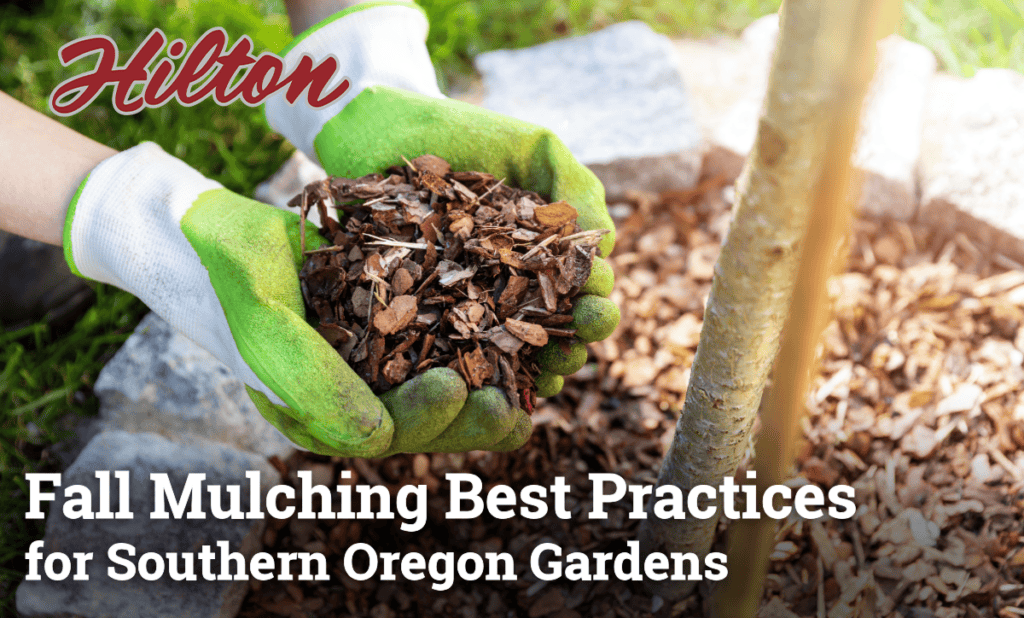 Many homeowners associate mulch purely with spring aesthetics, but fall mulching plays an even more crucial functional role. Southern Oregon winters bring a combination of freezing nights, heavy rains, and drying cold winds. Without proper soil coverage, your landscape remains exposed to extreme conditions that stress root systems and deplete valuable topsoil.
Applying organic mulch during autumn delivers three major advantages:
- Temperature Regulation: Your plants enjoy being cozy in the winter just as much as you do! Mulch acts as a thermal blanket, keeping soil temperatures stable and preventing frost heaving, which can push tender plant roots out of the ground.
- Moisture Control: Cold winter winds evaporate ground moisture rapidly. A protective mulch barrier holds moisture deep near the root zones.
- Weed Suppression: Mulch is a very effective weed barrier. Winter weeds like chickweed and henbit germinate in late autumn. Blocking light with mulch stops these unwanted pests before they take hold.
How to Mulch in the Fall: A Step-by-Step Process
At Hilton Landscape Supply, we help homeowners transition from season to season with fall landscaping tips. Properly applying mulch to your yard in the fall ensures you get maximum benefits without harming your plants. Follow this simple, actionable process to prepare your beds efficiently.
Step 1: Clear the Beds and Hydrate
Before spreading new material, remove dead annuals, fallen diseased leaves, and existing weeds. Water your garden beds thoroughly if autumn rainfall has been light. Soil should be moist before applying mulch to lock in hydration.
Step 2: Choose the Right Organic Mulch
Not all bark and soil coverings are created equal. For general landscape beds, shredded bark, dark bark dust, or hemlock mulch work exceptionally well. If you are working with heavy Rogue Valley clay soil, top-dressing beds with an OMRI-listed compost or Chet’s Mix enriches the soil structure as rain breaks down organic nutrients over winter.
Step 3: Apply at the Optimal Depth
Aim for a uniform depth of two to three inches across flower beds, tree rings, and vegetable plots. Avoid over-mulching, as layers thicker than four inches can suffocate root systems and trap excessive moisture around stems.
Step 4: Keep Clear of Trunks and Stems
Always pull mulch three to four inches away from tree trunks, shrub bases, and woody stems. Creating “mulch volcanoes” traps moisture against bark, encouraging fungal diseases, pest infestations, and trunk rot.
Local Soil Challenges and Product Recommendations
Based on decades of local experience, we know that Southern Oregon gardens face distinct regional challenges. Heavy clay soil, common in Central Point and Medford, drains poorly and turns rock-hard during freezes. Incorporating nutrient-dense organic top-dressings alongside decorative bark ensures your soil breathes and absorbs winter rainfall effectively.
Our team recommends using premium materials, such as Topsoil Plus or specialized bark mixes, to nourish your beds. By focusing on doing it right the first time, you set a lasting foundation that scales effortlessly into a lush, dynamic spring landscape.
Get Ready for Spring with Hilton Landscape Supply
Investing a little time in fall mulching now saves hours of weeding, watering, and soil remediation next spring. Whether you need a few yards of bark or a full bulk order delivered directly to your driveway via our CAS truck, Hilton Landscape Supply has the materials and expertise to get the job done right.
Visit our yard at 8087 Blackwell Road in Central Point, our new location at 5 S Stage Road in Medford, or call us today at (541) 664-3374 to schedule your fall delivery!
Frequently Asked Questions
When is the best time to start fall mulching in Southern Oregon?
The best time for fall mulching is in late autumn, typically between October and November. Apply mulch after the first light frost but before the ground freezes solid to lock in moisture and heat.
How thick should the mulch layer be for winter protection?
Apply a layer that is 2 to 3 inches deep. This provides ideal thermal insulation and weed suppression without smothering plant root systems.
Can I mulch over existing weeds in the fall?
You should remove established weeds before applying fall mulch. While mulch prevents new seeds from germinating, tough perennial weeds can still push through a fresh layer if left unchecked.