
As the days grow noticeably longer and the winter frost begins to melt away across Southern Oregon, the anticipation of getting back out into the garden is truly palpable. If you want a lush, beautiful yard this year, the absolute best thing you can do right now is prepping soil for Spring. Giving your earth a little focused, educational attention creates the perfect, healthy home for your plants to thrive all season long.
What are the Key Steps for Prepping Soil for Spring?
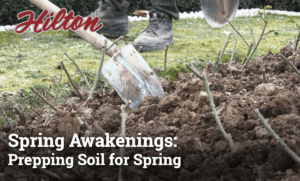
Prepping soil for Spring involves evaluating your current soil type, clearing winter debris, and incorporating organic amendments like compost. Wait until the ground is damp but no longer saturated before lightly tilling these nutrients into the top layer. This process improves drainage, restores depleted nutrients, and establishes a healthy foundation for plant growth.
 How Can You Build Scalable Momentum in Your Garden?
 How Can You Build Scalable Momentum in Your Garden?
When approaching a new season, it is easy to succumb to strategy overload—planning intricately without actually putting a shovel in the dirt. However, true gardening success comes from scalable momentum. This means focusing on forward movement and building a solid foundation that does not need to be rebuilt later. Transitioning your garden from lifeless dirt to a thriving, living ecosystem is the ultimate goal of your spring preparations. By taking the time to condition your earth right now, you establish an environment that naturally scales with your plants as they grow, saving you time, money, and frustration during the hot summer months.
How Do You Evaluate Your Starting Ground?
In our experience serving homeowners across Southern Oregon and Northern California since 1956, we have found that every yard has its own unique personality. Depending on exactly where you live in the Rogue Valley, you might be dealing with very sandy soil, or ground that is heavily compacted with sticky clay. Sandy soil acts like a sieve, draining water so quickly that your plants lose nutrients before the roots can absorb them. Clay soil is so dense that it traps water and can suffocate delicate plant roots.
To determine what your yard needs, follow this simple 3-step soil evaluation process:
- Gather a sample: Dig a few inches down and grab a handful of moist earth from your garden bed.
- Perform the squeeze test: Give the soil a firm squeeze in the palm of your hand.
- Observe the results: If it forms a tight, sticky ball that will not easily crumble, you are dealing with clay. If it falls apart instantly and runs through your fingers, you have sand. If it holds its shape but crumbles easily when poked, you have an ideal loamy texture.
Knowing this starting point helps you understand exactly what amendments your garden needs to establish proper balance.
What Organic Amendments Should You Incorporate?
Our team recommends using organic materials rather than harsh chemical fertilizers to feed your garden. While chemical fertilizers might give your plants a quick burst of green, they break down rapidly and can actually harm the earthworms and beneficial bacteria that keep your soil naturally aerated over time.
If you have heavy clay, adding organic matter like living soil or rhyolite—which is a natural form of pumice—helps physically break up those tightly bound molecules. This introduces much-needed air and proper drainage into the earth. If you have sandy soil, dense organic compost acts like a sponge, holding onto moisture and nutrients so they do not wash away during our spring showers.
At Hilton Landscape Supply, we carry fantastic organic options like OMRI-listed compost and composted chicken manure. We also highly suggest adding worm castings to your garden beds. Worm castings, also known as vermicompost, act as a gentle, natural fertilizer. They introduce essential bacteria back into the earth, help prevent transplant shock for new seedlings, and provide a wonderful, slow-release food source.
When is the Perfect Time to Till Your Garden?
Based on client results, one of the most common mistakes we see eager gardeners make is tilling their soil while it is still soaking wet from winter storms. Timing is truly everything when it comes to early gardening.
If you work the earth while it is heavily saturated, you risk destroying its natural structure. When that wet soil eventually dries out, it will turn into hard, unmanageable clods that are incredibly difficult for new roots to push through. Wait until the ground is just damp and crumbly before you gently till your compost and amendments into the top few inches. Over-tilling can also break down the natural quality of the soil, so only till when you absolutely need to mix your nutrients into the top layer.
How Do You Start Fresh with Premium Topsoil?
Sometimes, the dirt in your yard just needs a total reset, especially if you are building brand-new raised flower beds or a dedicated vegetable patch. In these scenarios, importing high-quality topsoil is the easiest way to guarantee a healthy environment for your plants right from day one.
True topsoil contains the perfect balance of sand, silt, and clay. We are fortunate to mine our topsoil from a 100-acre pit nestled along Bear Creek and the majestic Rogue River, right in the heart of Southern Oregon’s prized fertile farmland. We carefully screen it through a 3/8-inch screen to ensure the ideal texture for root development. Whether you choose our Topsoil Plus, Chet’s Mix, or Super Chet’s Mix, you can rest easy knowing our soils are rigorously laboratory tested and free of noxious weeds.
Why is a Protective Mulch Shield Necessary?
Prepping your beds is not fully complete without a protective blanket. Once you have amended your soil or laid down fresh topsoil, it is important to cover it with a thick layer of mulch.
- Moisture Retention: A two to three-inch layer of bark mulch helps the soil retain precious moisture during hot Southern Oregon summer days.
- Temperature Regulation: Mulch keeps the ground warm during chilly spring nights, protecting fragile new roots.
- Weed Suppression: A thick top layer naturally suppresses pesky weeds that compete with your plants for nutrients.
- Continuous Feeding: As the organic mulch slowly breaks down over the seasons, it continues to feed your soil ecosystem.
We carry a wonderful variety of beautiful options, including Dark Hemlock, Red Hemlock, and Fir Chips, so you can pick the perfect look to complement your home’s exterior.
Partner with Hilton Landscape Supply
Gardening is one of the most rewarding ways to spend time outdoors, and getting your earth right is the very first step toward a beautiful, bountiful season. If you need a little advice, want to feel our soil textures in person, or are ready to pick up your supplies, come visit our expert team at Hilton Landscape Supply.
We are located at 8087 Blackwell Road in Central Point, and we are always happy to help you figure out exactly what your garden needs. You can also give us a call at (541) 664-3374. Whether you want to pick up a few bags of compost or schedule a bulk delivery of topsoil blown directly into your backyard using our advanced CAS truck conveyor system, we have you covered. Let’s get growing!
Frequently Asked Questions
What is the difference between dirt and soil?
Dirt is primarily made of broken-down rocks and lacks the organic nutrients necessary to support plant life. Soil is a living ecosystem filled with organic matter, beneficial microorganisms, and essential minerals that plants actively need to thrive.
When is the best time to till my garden in the spring?
You should only till your garden when the soil is damp and crumbly. Tilling while the ground is still soaking wet from winter rains will ruin the natural soil structure, causing it to dry into hard, compacted clumps that block root growth.
Why should I add worm castings to my garden beds?
Worm castings act as a gentle, natural fertilizer. They help introduce beneficial bacteria back into the earth, provide a continuous slow-release food source for your plants, and can drastically reduce transplant shock for new seedlings.