
During the winter in Southern Oregon, it’s easy to assume that landscaping and outdoor projects need to be put on hold. Gardens go dormant, outdoor living slows down, and attention naturally turns indoors. But winter is actually one of the most valuable seasons for homeowners who are thinking ahead—especially when it comes to planning spring hardscape projects in winter.
Hardscaping elements like patios, walkways, gravel driveways, and retaining walls benefit greatly from early planning. Taking time during the quieter winter months allows homeowners to design more thoughtfully, choose better materials, and avoid the stress and rush that often comes with spring landscaping season.
 Why Winter Planning Sets Hardscape Projects Up for Success
 Why Winter Planning Sets Hardscape Projects Up for Success
Spring tends to be the busiest time of year for landscaping projects, and decisions often get made quickly out of necessity. Planning during winter shifts that dynamic entirely. Instead of reacting to timelines and availability, homeowners can take a proactive approach.
When you focus on planning spring hardscape projects in winter, you’re able to slow down and think critically about how your outdoor space functions. Winter planning gives you time to evaluate how you use your yard, what problems need solving, and what improvements will truly enhance your home. It also creates space to ask questions, research options, and get professional input before installation season begins.
Winter Reveals What Your Landscape Really Needs
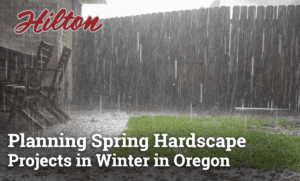
One of winter’s hidden advantages is the visibility it offers. Without plants in full bloom or lush groundcover masking problem areas, your landscape’s weaknesses become much easier to spot. Drainage issues, uneven ground, erosion, and muddy pathways are often most obvious during the rainy winter months.
This makes winter an ideal time to assess where hardscape improvements could make the biggest impact. Maybe a gravel pathway would reduce mud near an entryway, or a retaining wall could help manage a sloped area. Perhaps a patio needs better base support to handle seasonal moisture. Observing your yard in winter provides valuable insights that lead to smarter spring projects.
Thoughtful Material Selection Starts Before Spring
Hardscape projects are only as successful as the materials used to build them. Winter planning lets homeowners carefully explore material options rather than grabbing whatever is available when spring demand spikes.
Gravel, base rock, sand, soil, and mulch each serve a specific purpose in hardscape design, and selecting the right combination makes a significant difference in durability and appearance. By planning ahead, you can compare textures, colors, and applications to ensure your finished project complements both your home and the Southern Oregon environment.
This is also the perfect time to consider how different materials perform year-round. Drainage, compaction, and maintenance requirements should all factor into your decisions—and winter is when those considerations are most relevant.
Designing for Drainage and Longevity
Southern Oregon’s seasonal rain is one of the biggest factors affecting hardscape performance. Winter planning allows homeowners to design with water management in mind, rather than trying to fix problems later.
A well-designed hardscape project accounts for proper base layers, grading, and material selection so water flows where it should, rather than pooling or washing away gravel. Thinking about these elements during winter ensures your spring installation isn’t just attractive, but built to last through future seasons.
Addressing drainage early also helps prevent costly repairs and maintenance down the road. Hardscapes that are designed with winter conditions in mind tend to perform better year after year.
Budgeting Is Easier When You Plan Early
Hardscape projects often involve multiple materials and multiple stages of installation. Planning in winter gives homeowners the chance to build a realistic budget without feeling rushed.
Instead of making last-minute decisions in spring, winter planning allows you to spread purchases over time, prioritize project elements, and avoid costly mid-project changes. It also helps clarify which parts of a project can be completed all at once and which may be phased in over time.
Thoughtful budgeting is one of the most overlooked benefits of planning spring hardscape projects in winter—and one that homeowners often appreciate most once spring arrives.
Inspiration Without the Pressure
Winter is also an ideal time to explore design inspiration. Without the urgency of installation timelines, homeowners can browse ideas, visualize layouts, and refine their vision.
Whether it’s a gravel patio for outdoor gatherings, a defined pathway through the garden, or decorative rock features that add texture and structure, winter planning encourages creativity. It allows you to focus on how your outdoor space should feel and function, not just how quickly it can be completed.
Bring Your Winter Plans to Life with Hilton Landscape Supply
Successful planning of spring hardscape projects in winter starts with expert guidance and high-quality materials—and that’s where Hilton Landscape Supply comes in.
Serving Southern Oregon homeowners, Hilton Landscape Supply offers a wide selection of gravel, base rock, sand, soil, and mulches, along with knowledgeable staff who understand local conditions and seasonal challenges. Whether you’re designing a small DIY project or preparing for a larger hardscape installation, their team can help you select the right materials and plan with confidence.
Stop by Hilton Landscape Supply to get professional advice and premium landscaping and gardening products that turn winter planning into beautiful, lasting spring results. Planning ahead now means enjoying your outdoor space sooner—and enjoying it for years to come.